
After several years of owning Jura coffee makers, I thought it would be helpful to review a Jura fully automatic coffee espresso maker machine to help others get a sense of what it may be like to own one.
There are so many coffee machine options today that it may be helpful to learn about someone's experience with Jura.
I'm breaking down the pros and cons of a Jura, how the flavor compares to other types of coffee espresso makers, and details on maintaining the machine. If you're looking at various coffee espresso makers right now, I hope this helps you in some ways choose what is right for you.
This post may contain affiliate links which we may receive a small commission when some items are purchased at no additional cost to you. As an Amazon Associate we earn from qualifying purchases. Read the full disclosure.
Note: This is not sponsored. We paid for the Jura with our own money years ago. I just thought it may be helpful to learn about someone's experience and opinions with one of their machines. Your experience and what you can expect may differ.
Why a Jura
We have tried many different types of coffee and espresso makers over the years. At this point, we know what we like, and how very different the flavor can be across various machines and coffee preparation methods.
When I grew tired of the stovetop espresso making method, it was time to find an alternative. We knew we wanted something that didn't take much time and effort to prepare a cup each morning, but a machine that also made the best tasting at home coffee we could get.
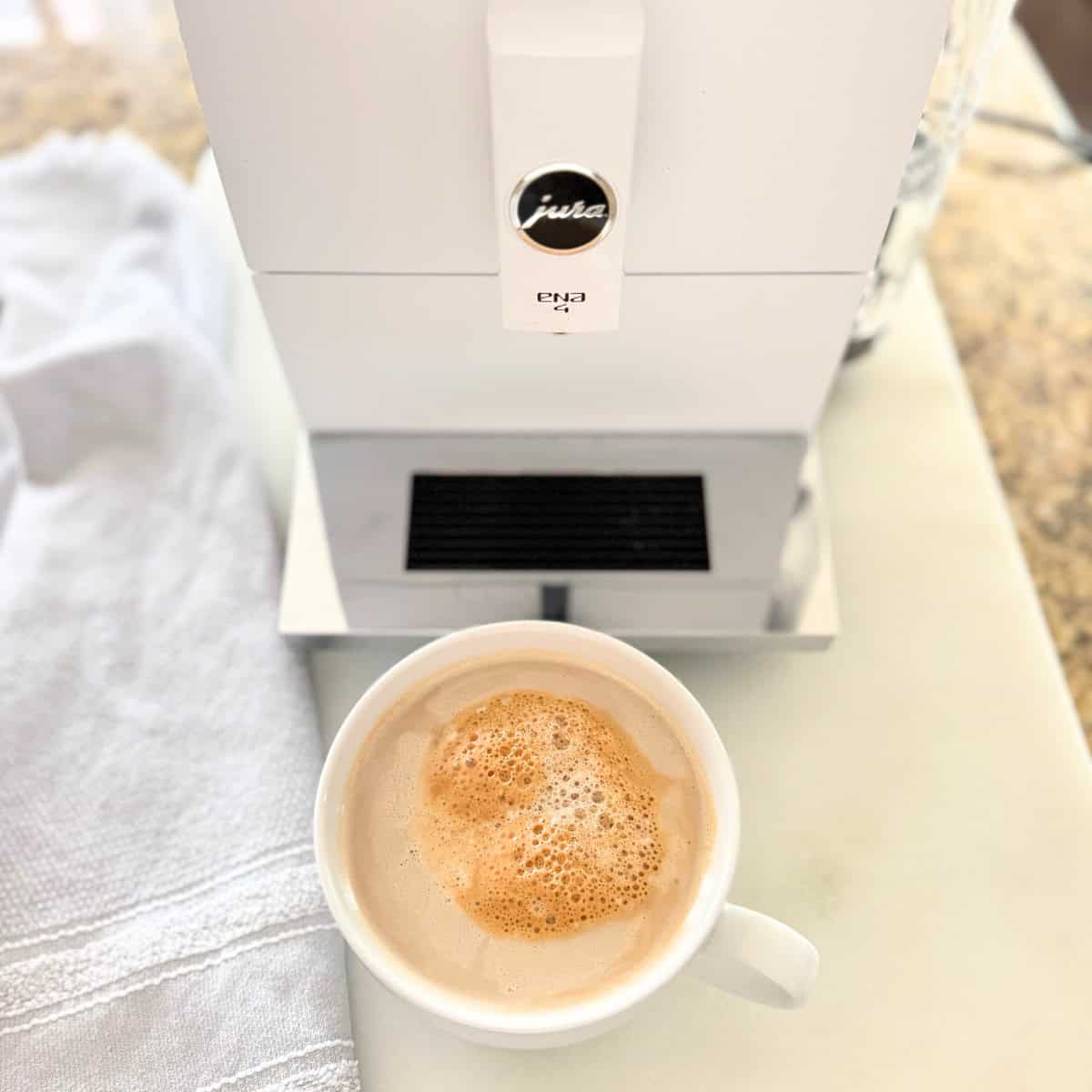
I did not want to be too hands-on each morning either. Coffee makers that required measuring ground beans, tamping, and cleaning spouts was not a coffee machine that I would consider. I wanted a fully automatic espresso machine that essentially gave us coffee at the press of a button (or two).
Jura and similar fully automatic espresso machines came to mind, which is when I began researching what options were available.
From researching Jura, they were touted as quality coffee makers that produced great flavor due in part to the use of fresh beans. Cost per cup over the estimated life of a machine was reasonable, especially if you buy less expensive beans.
Jura A1 and ENA 4
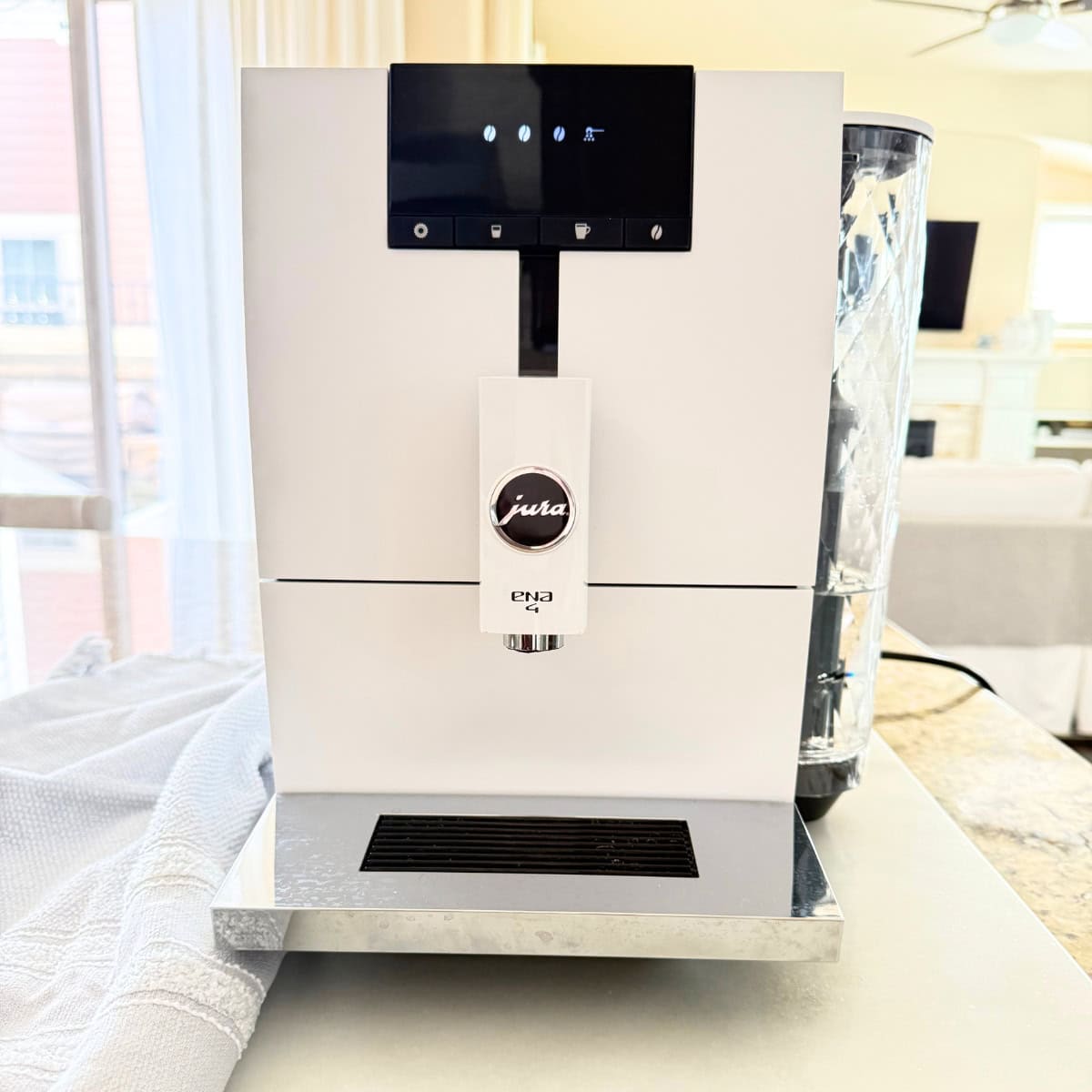
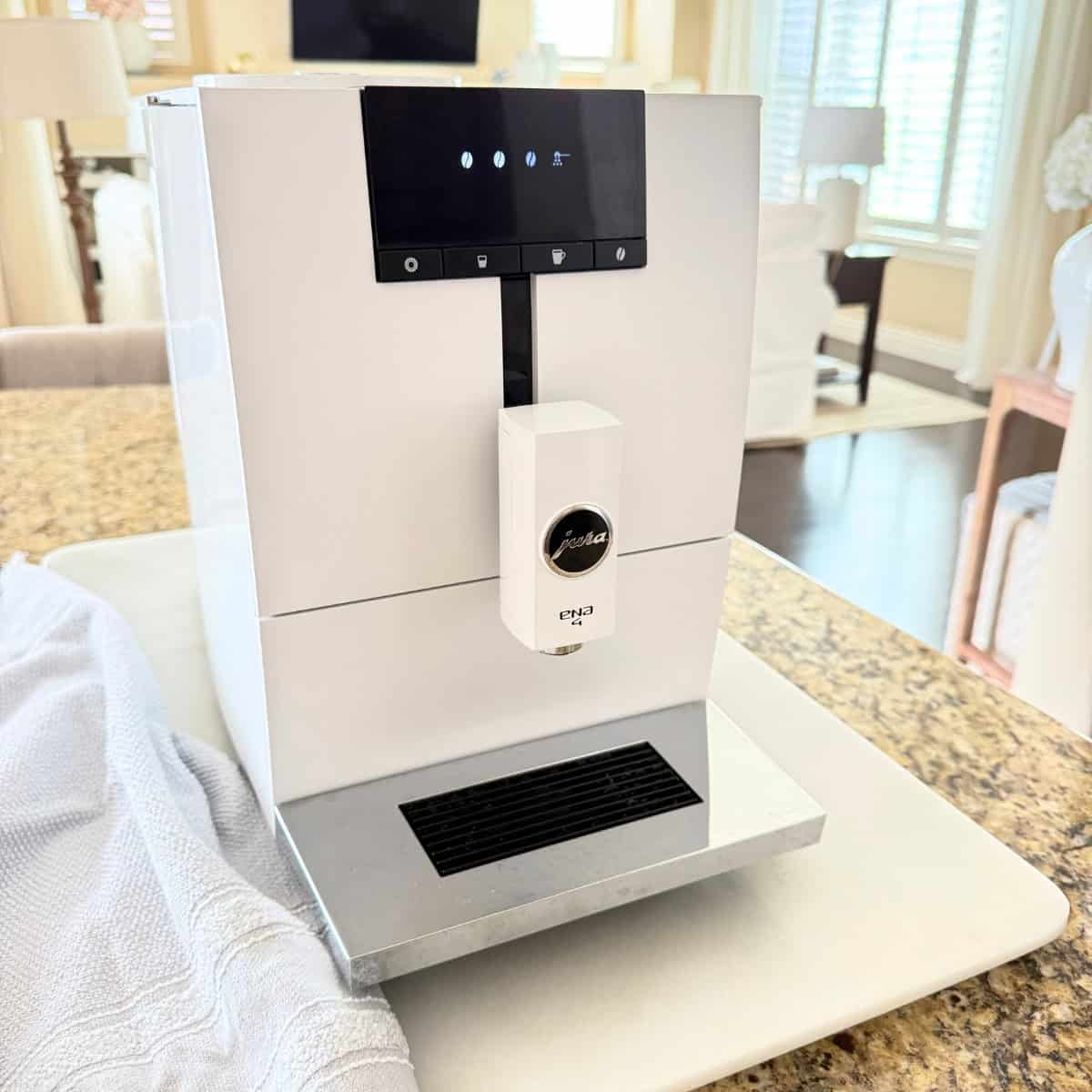
We landed on the Jura A1 in Piano White. (Note: Jura no longer makes the A1.) It was a lower end model, partly because of the lack of a milk frother. I did not want a milk frother attached due to maintenance anyway, so the A1 was perfect for our needs.
The A1 was fully automatic, used fresh beans, and made coffee at the press of a button. We had that machine for over four years until we gave it to my husband's parents.
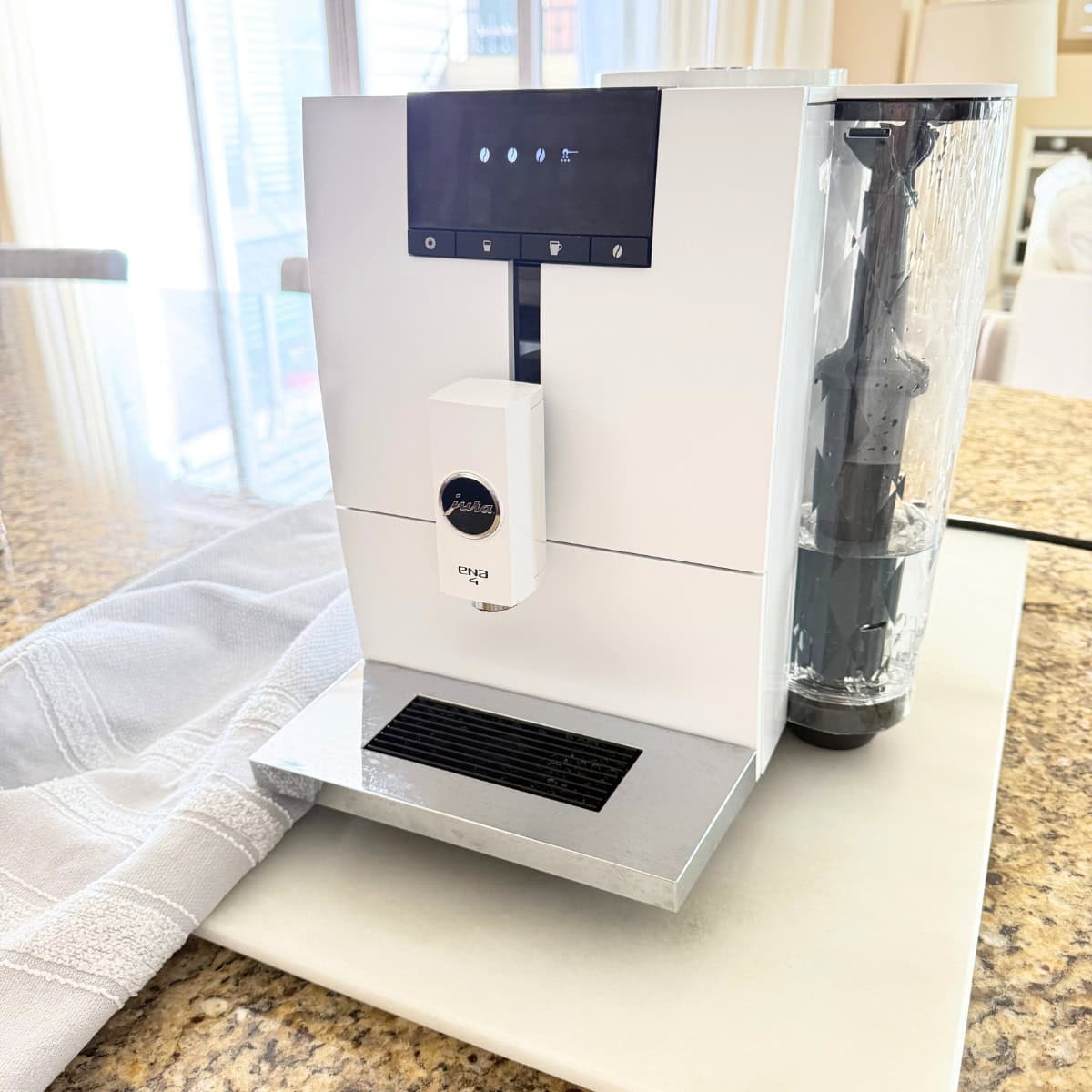
Over a year ago, we replaced it with the Jura ENA 4 in Nordic White, a newer model at the time. The ENA 4 was the closest match to the previous model that we owned and the price was reasonable, relatively speaking.
Pros and Cons of Owning a Jura
From amazing flavor to little hands-on time making a cup of coffee each morning, there are many pros to owning a Jura. That said, ongoing costs outside of buying beans could be a no-go for you and, to many people, is probably the biggest drawback of a Jura.
In no particular order, here are pros and cons we have found owning a Jura espresso machine that you may want to consider. Take note that your experience may differ.
Flavor
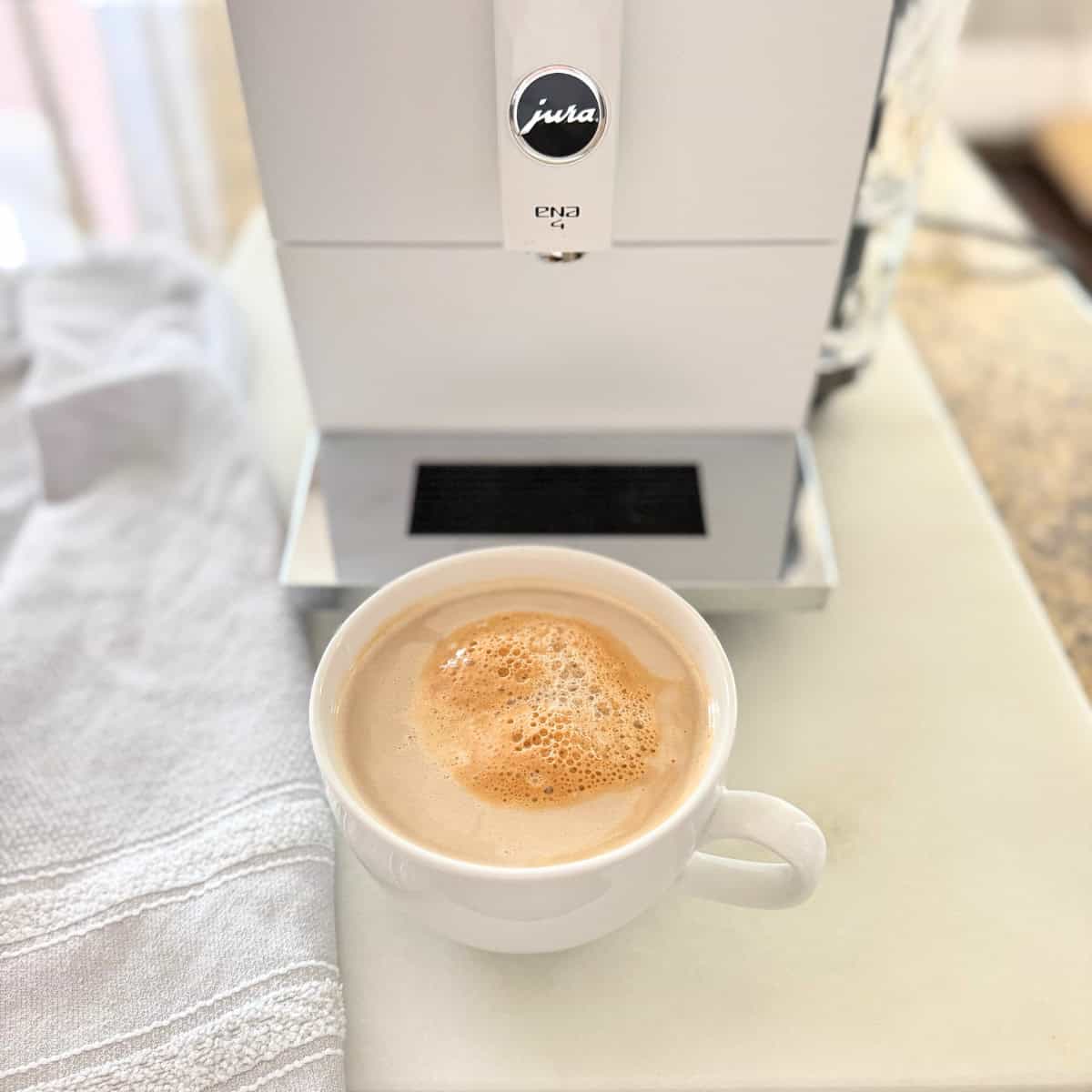
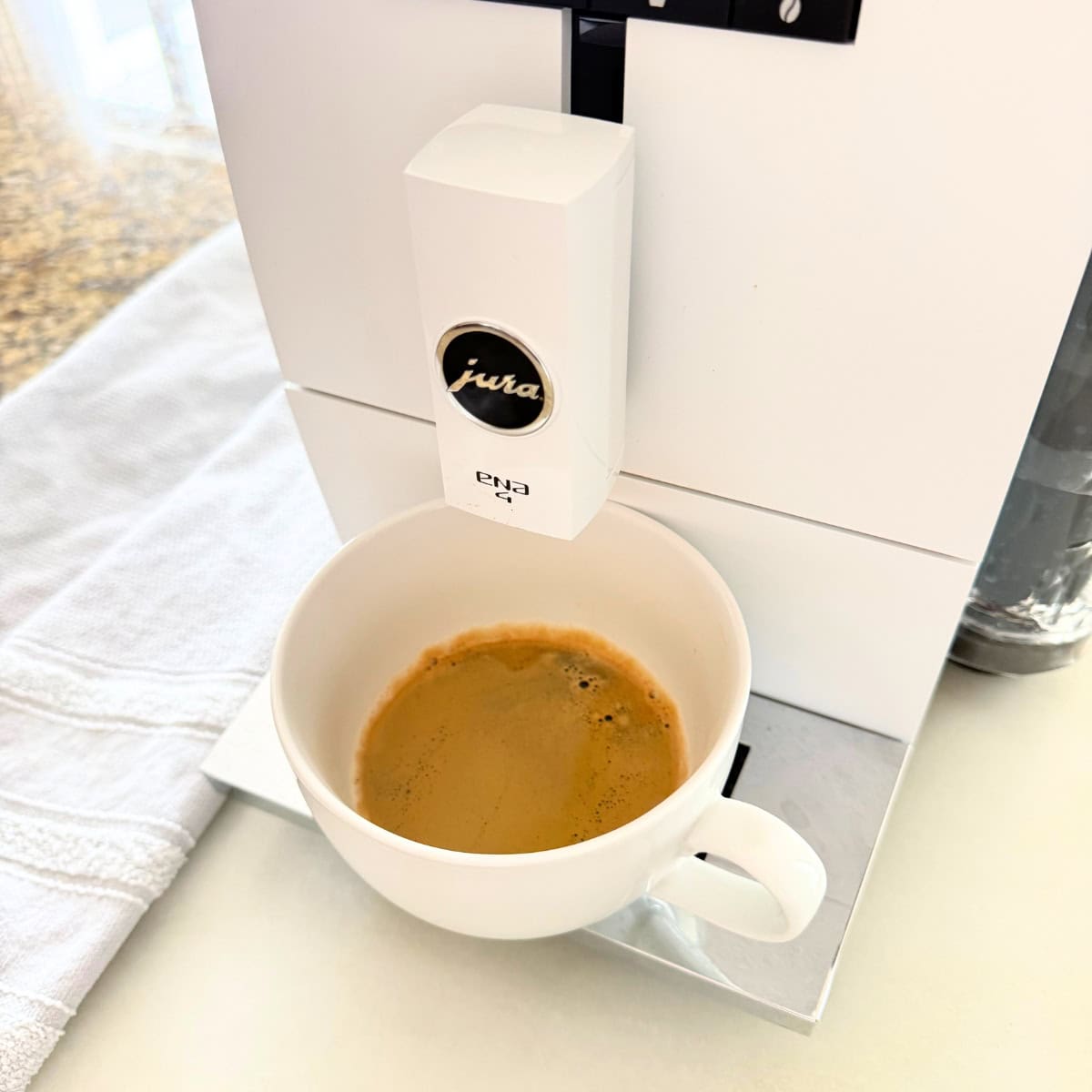
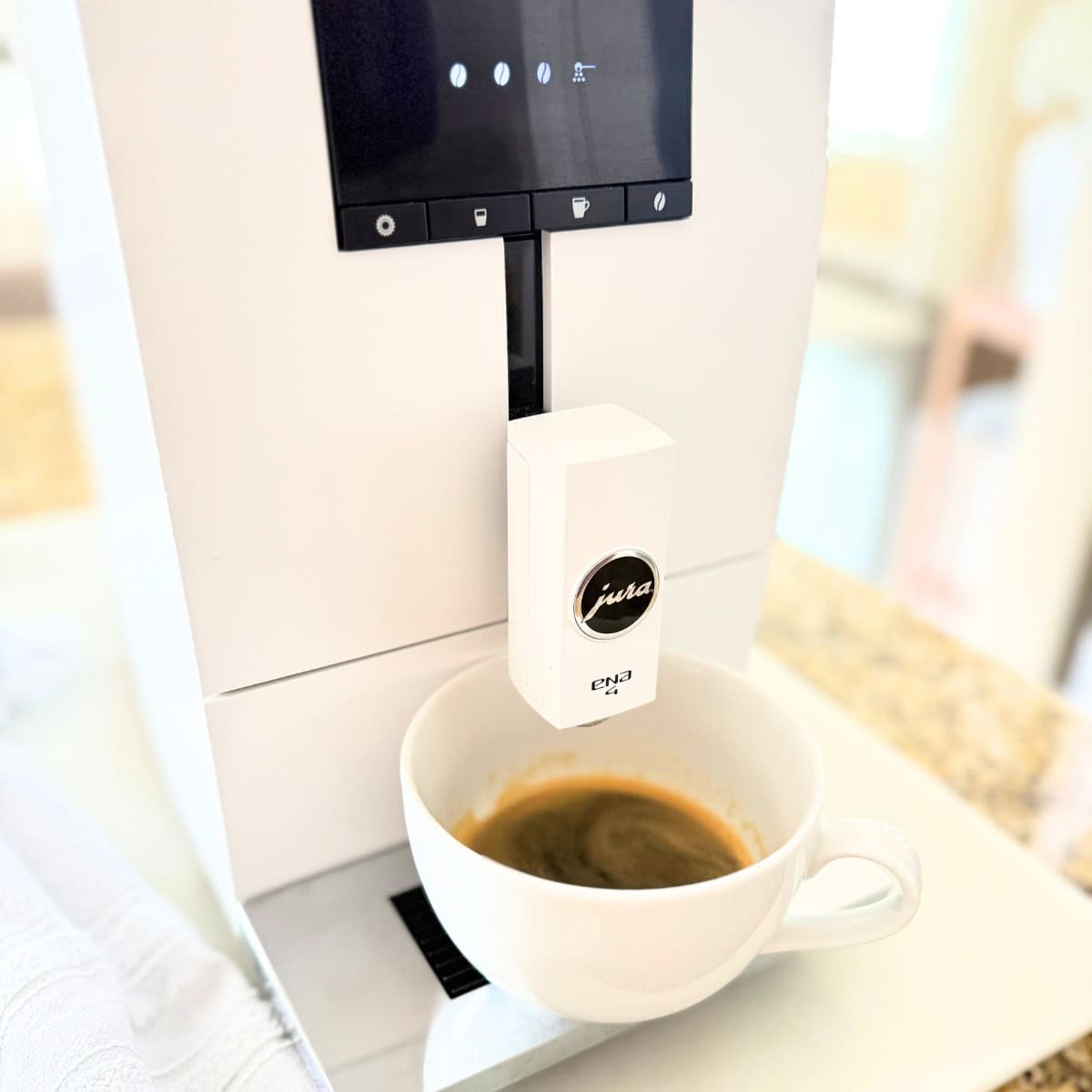
Probably the greatest pro of owning a Jura is the full-bodied flavor of coffee it makes.
To us, Jura produces a flavor that is incomparable to any other coffee or espresso maker we have owned, and, as you'll read, we have owned many different types over the years.
Tip:
Some retailers will make a sample of coffee from a Jura floor model if you ask. Visit a local retailer, such as Williams Sonoma, Crate & Barrel, Sur La Table, or a local shop that sells Jura coffee makers, and ask if you can get a sample. Sometimes it helps to call ahead so they have time to prepare.
In my opinion, here is a quick comparison of the flavor of Jura coffee versus other coffee makers:
- Stovetop - What I think is the second best flavor behind Jura is a stovetop espresso maker. If you use a burr grinder to grind fresh beans, it will taste pretty good, though not as rich as coffee from a Jura. We used a stovetop espresso maker for quite some time, but I grew tired of the hands-on time as well as the wait time, though the flavor was pretty good. We had this stovetop espresso maker.
- Pods - Different pod coffee machines produce a different flavor. Most people probably do not notice it. In my experience, I think it tastes somewhat like instant coffee. We use and like this pod coffee maker when we stay at my sister's house, as they live out in the country. This is my favorite espresso pod flavor.
- Pressure/Press - In my experience, a pressure/press type coffee maker tastes better than pods, but not as good as a stovetop espresso maker. Again, if you have a burr grinder to grind fresh beans, it will produce a better flavor. This is the coffee press we had and used for some time.
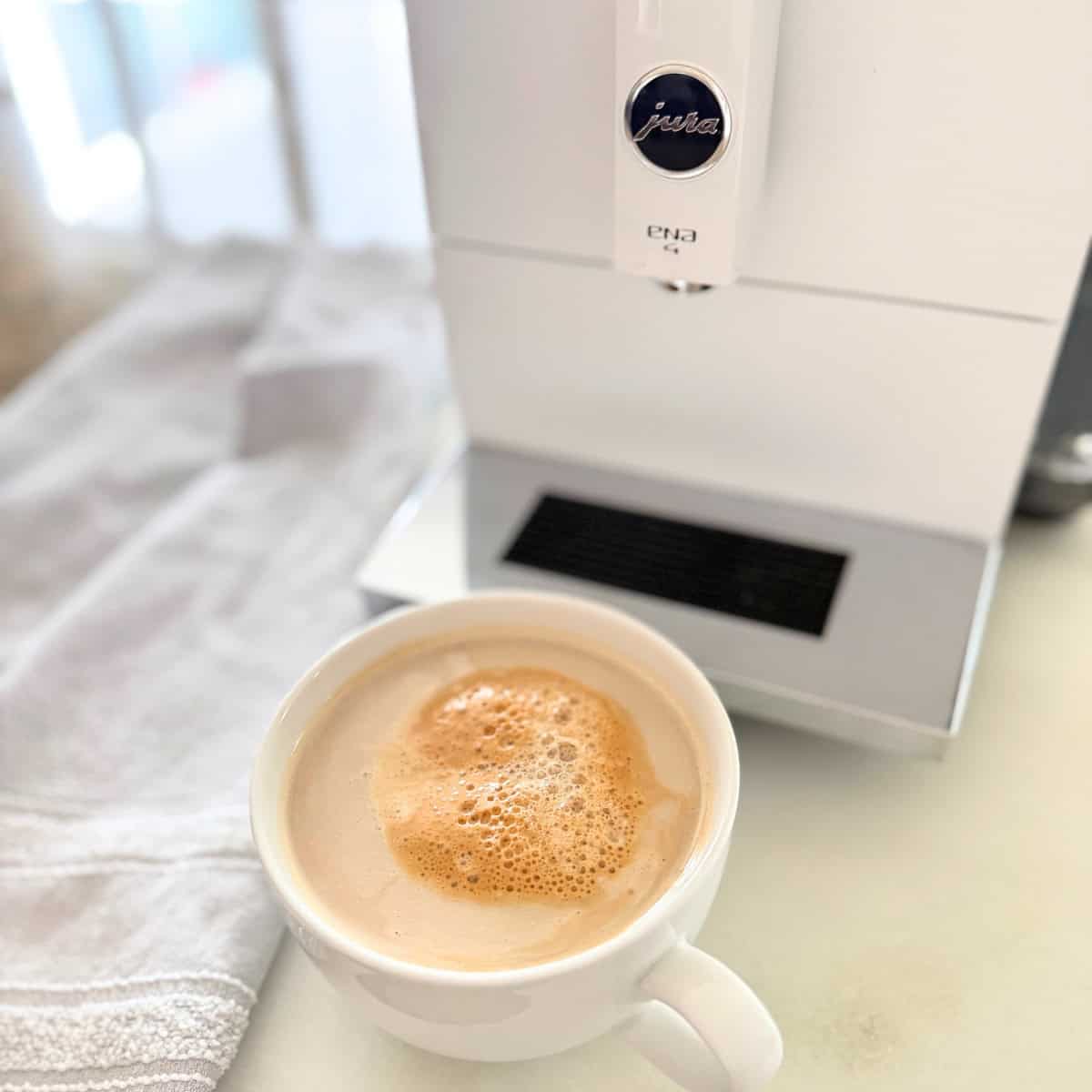
- Jura - To me, the coffee from a Jura is the closest flavor to fresh made espresso at a coffee shop. It grinds fresh beans in the hopper, producing a full-bodied flavor that makes one of the best espressos for homemade lattes at the press of a button.
Design and Size
Design and size of different coffee making methods varies greatly.
When it comes to design or aesthetics of stovetop and pressure coffee makers, you can find some very nice looking designs, as well as neutral colors, today. One well-known stovetop coffee maker brand has collaborations with fashion designers, popular TV shows, and football teams.
For some people, one drawback of a coffee maker like a Jura is the countertop space it takes up.
A stovetop coffee maker can be stored away in a cabinet after use, just as a pressure coffee maker can. However, pod coffee makers and machines like Jura typically require counter space somewhere in your kitchen, pantry, or coffee bar area.
To keep small appliances that have to be stored on the counter from grabbing too much attention, I prefer white or neutral colors. A neutral color allows it to simply sit in the background and not draw the eye too much. Our Jura ENA 4 Nordic White is more satin than high gloss.
You also have to consider if there is enough space above the coffee maker to put a pod or beans in the hopper on top as well as to remove and refill the water reservoir that is oftentimes located on the side or back of the machine.
Make sure you measure how much counter space you need around the machine - sides, front, and back - as well as how much vertical space you need above the machine.
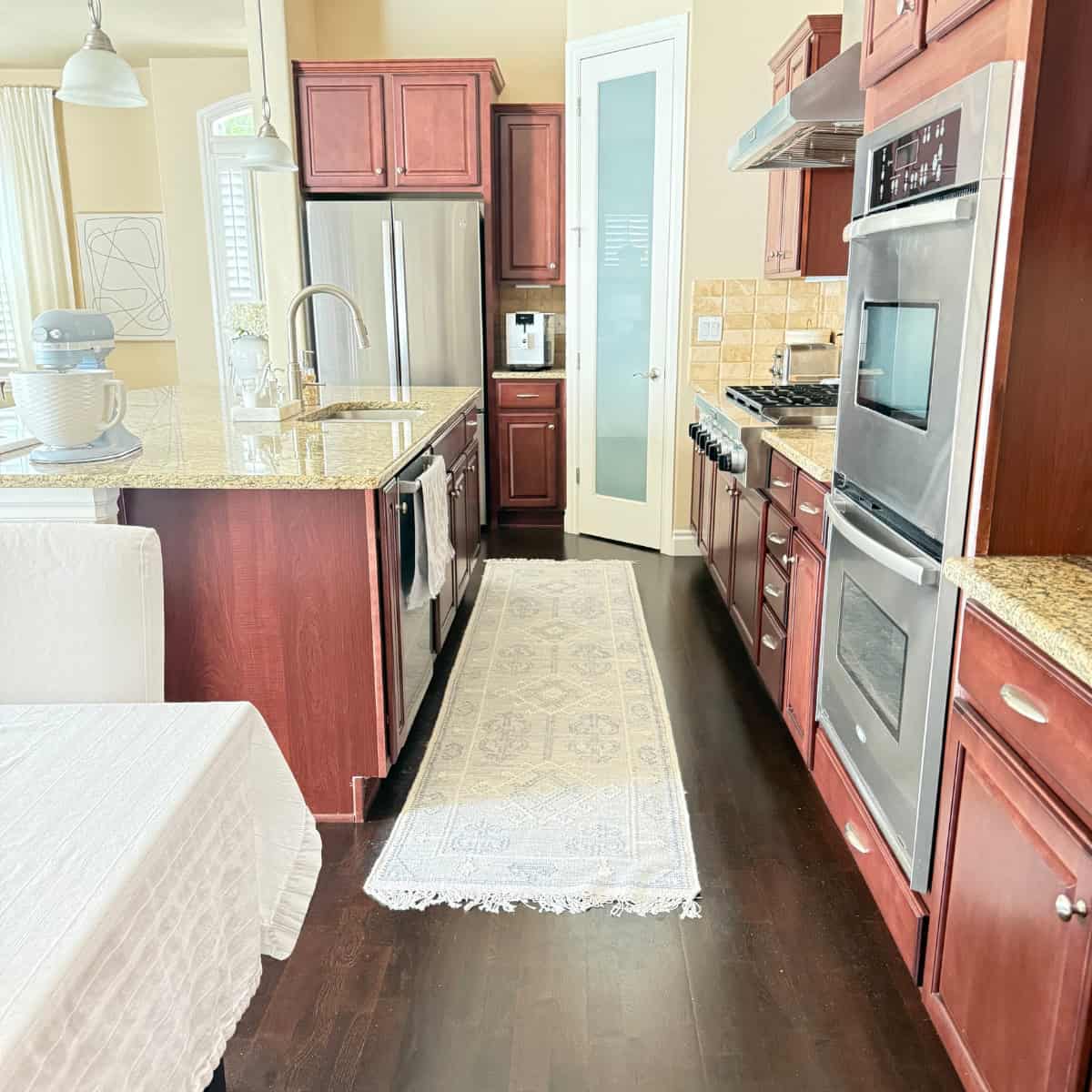
Our Jura is placed in the perfect spot on the counter next to the refrigerator, as shown below. The space was most likely intended for a coffee maker when our house was built.
Hands-on Time
Given the Jura ENA 4 is a fully automatic espresso machine, the hands-on time is significantly less than a stovetop or pressure espresso maker. Pods are nearly the same hands-on time as a Jura, but you sacrifice flavor, in my opinion.
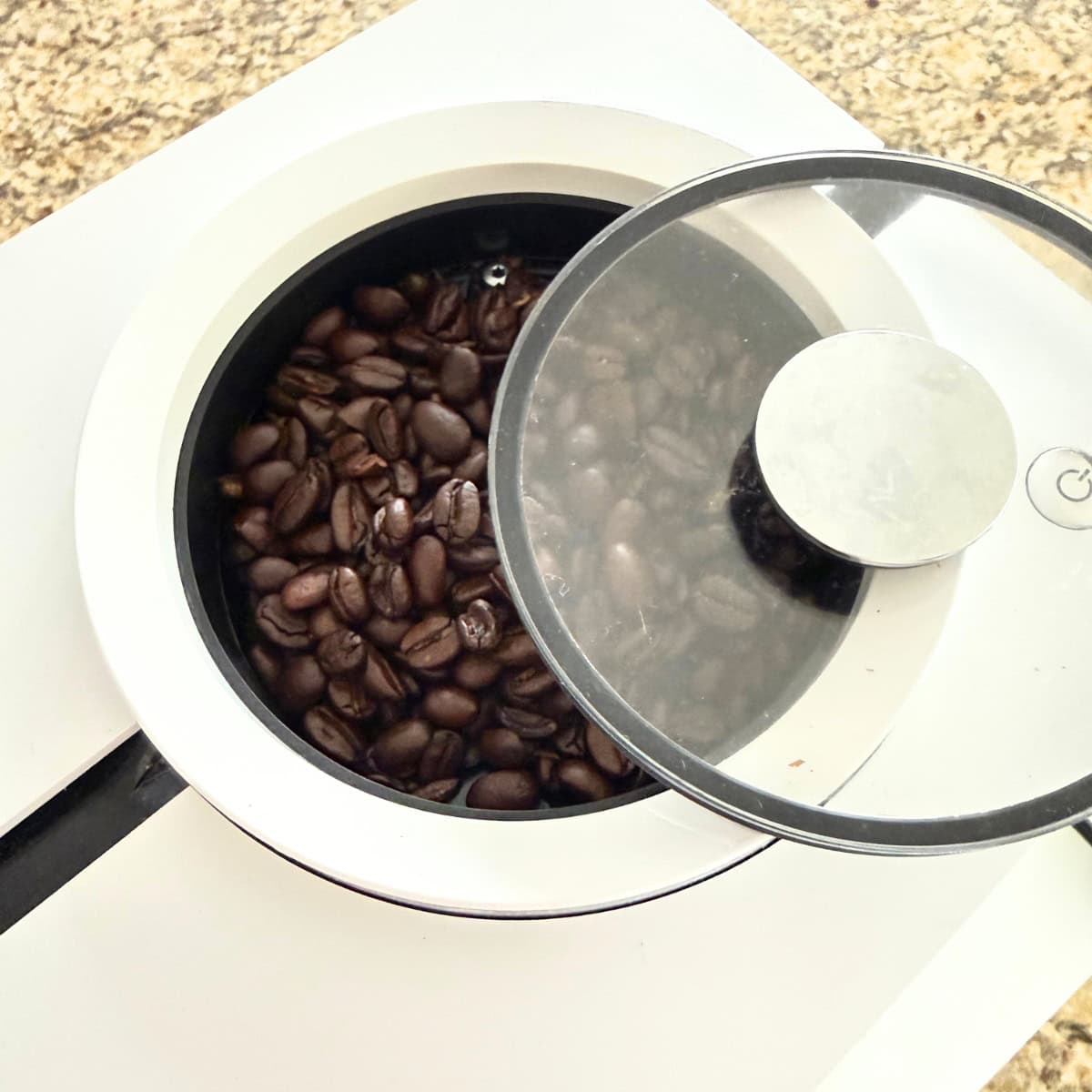
With a Jura, at the touch of a button you get a shot of espresso in about 20 seconds. You do have to fill the bean hopper and water reservoir at some point, depending on how many coffees you want each day, but the actual making of the espresso is at the touch of a button.
That is the benefit of fully automatic coffee makers and part of why you pay more for the machine.
With a stovetop espresso maker, you have to grind fresh beans, scoop a measured amount into the cup, fill the reservoir to the water line, and then wait for it to come up to heat on the stovetop.
We made our coffee that way for quite some time and it just became old over time. The same goes for using a pressure type coffee maker, only it was more difficult for me to use. The one we had you had to plunge it down to extract the coffee, which was not easy for me.
A pod espresso maker takes around the same or less time than a Jura and it, too, makes coffee at the press of a button. You don't have to refill a bean hopper, but you do have to fill a water reservoir which makes a marginal difference in hands-on time.
Potential Quality and Longevity
Comparing the quality of the various espresso makers we have used over the years is not apples to apples.
Stovetop and pressure espresso makers don't have moving parts, so they could arguably last longer. However, they do have parts that could wear out over time, though that time duration is anyone's guess. Mainly, as I stated earlier, I grew tired of the effort involved.
If we did go back to the stovetop method, I would repurchase this well-known stovetop espresso coffee maker that comes in different sizes. (I think we used to have the 6 cup version.)
Pod coffee makers, like automatic machines, do have moving parts that may be more susceptible to breaking before other types of methods. Each manufacturer may share that information on their website, though you will have to check for yourself.
Aside from flavor being the biggest factor, for the most part, I also didn't want to contribute to more waste with the used pods themselves even if some brands have a recycling program.
We have owned at least two different types of pod espresso machines over the years and neither one stopped working while we had them. We still use a pod coffee maker at my sister's house when we stay there, because they live in the country.
Jura's have more moving parts than any of the other types of coffee makers we have owned. We only had one issue with the A1 machine when a tiny c-washer fell out of the machine one morning. That machine is still going strong over a year later at my husband's parents house for a total use time of five years so far.
Since we have owned the ENA 4 for over a year now, we have not had any issues.
Maintenance and Ongoing Costs
Each type of coffee maker may require different daily and/or routine maintenance. There may also be ongoing costs, such as special cleaning products or water filters.
Maintaining stovetop and pressure type espresso makers can be fairly easy. Those I have experience with do not require special cleaning in the same sense as a Jura. The pressure coffee maker we had did need a single-use paper filter, though. As far as daily maintenance, we would rinse all parts of both the stovetop and pressure coffee makers after we were done making coffee for the day and set it aside to air dry.
Some single-serve pod coffee machines may be easier to maintain and have lower ongoing costs than a Jura, however every brand differs. Some brands may also require a cleaning solution to routinely descale the machine, so that could be an ongoing cost to consider. Do the math to see what those costs come to and if you are okay with it.
Pod coffee makers also have ongoing costs related to the coffee pods themselves. You may find coffee pods in bulk at places like Costco, Sam's Club, or on Amazon for a good price.
For stovetop and pressure coffee makers you still have to possibly buy coffee, filters, and some parts as they wear out; however, generally speaking, these types of coffee makers most likely cost the least to maintain. At least, they were for us.
Jura ENA 4 Maintenance You Should Expect
With the Jura ENA 4, there are maintenance and ongoing costs in the form of water filter cartridges and cleaning tablets. Daily maintenance typically involves removing and rinsing the tray, rinsing the water reservoir and refilling it, and adding beans to the hopper.
Routine maintenance requires using a cleaning tablet to deep clean the machine. It's easy to put a tablet in the machine, press a few buttons, and it begins an automatic cleaning cycle. You also have to change out a water filter cartridge every so often, depending on usage.
Another thing to consider and look into is, if something major needs to be repaired you may have to ship the machine back to the manufacturer. We have not had to do that, so I am not too familiar with the details. It could mean added costs as well as not having a coffee maker for an unknown period of time. Research that aspect to be sure you are okay with it.
In terms of routine maintenance, we probably go through four water filters and 10-12 cleaning tablets a year, though that may differ for you.
At the time of writing this, one water filter cartridge is $25, while cleaning tablets cost $24 for a pack of six. So, in addition to the one-time cost of the machine itself, we spend about $150 annually to maintain and clean the Jura. Not inexpensive, but it's worth it to us for the enjoyment we get out of the coffee it makes, though that may not work for you.
We purchase whole coffee beans in bulk.
Is an Automatic Espresso Machine Right For You
Clearly, there are many factors to consider if you are evaluating whether an automatic espresso coffee maker is right for you.
As mentioned, I recommend visiting a retailer in person, such as Williams Sonoma, Crate & Barrel, a local shop that sells coffee makers, or Sur La Table, to try fresh coffee from a Jura to see if you like it.
Whether you are considering a pod coffee machine, stovetop espresso maker, or a fully automatic Jura coffee maker, I hope this gives you an idea of what you could expect. Of course, everyone's experience will be different.
In the end, get what works for you, your budget, and your lifestyle.
Leave a Reply